
If you’ve ever noticed someone’s face turning bright red after a glass of wine, you’re not alone.
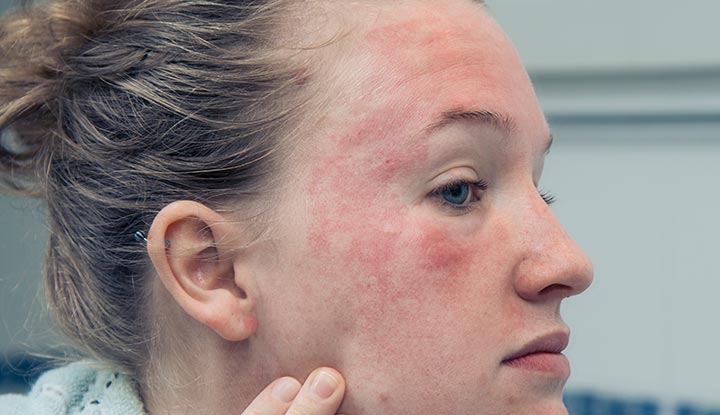
Facial flushing is one of the most common reactions people experience when drinking alcohol, particularly red wine. While it may seem harmless, many people wonder why it happens and why some individuals experience it more than others.
The answer comes down to how the body processes alcohol and the unique compounds found in wine.
What Causes Wine Flush?
When you drink alcohol, your body breaks it down into a compound called acetaldehyde.
Normally, an enzyme helps convert acetaldehyde into harmless substances that your body can eliminate. However, some people have a reduced ability to process acetaldehyde efficiently.
When acetaldehyde builds up, blood vessels near the skin dilate, causing:
- Facial redness
- Warmth
- Flushing
- Increased heart rate
- Occasionally headaches
This reaction is commonly called “alcohol flush.”
Why Does Red Wine Cause It More Often?
While any alcoholic beverage can trigger flushing, red wine contains several additional compounds that may increase the likelihood of a reaction.
These include:
Histamines
Red wine naturally contains histamines, which are produced during fermentation.
Histamines can cause:
- Flushing
- Nasal congestion
- Headaches
- Skin reactions
People who are sensitive to histamines may notice symptoms after only a small amount of red wine.
Sulfites
Although sulfites often get blamed, they are less commonly the cause of facial flushing.
Sulfites are used to help preserve wine and prevent spoilage. Most people tolerate them well, but some individuals may be sensitive.
Tannins
Tannins are natural compounds found in grape skins, seeds, and oak barrels.
They contribute to the texture and structure of red wine but may also trigger reactions in some individuals, particularly those prone to headaches or sensitivity.
Is Facial Flushing Dangerous?
For most people, occasional facial flushing is harmless.
However, persistent flushing can indicate that the body is struggling to metabolize alcohol efficiently.
In some individuals, particularly those with a genetic deficiency in alcohol-processing enzymes, acetaldehyde levels can become significantly elevated.
If flushing is accompanied by:
- Rapid heartbeat
- Severe headaches
- Difficulty breathing
- Dizziness
It may be worth discussing with a healthcare provider.
Can You Prevent Wine Flush?
While there is no guaranteed cure, some people find relief by:
Drinking Water
Staying hydrated before and during wine tasting may help reduce symptoms.
Eating Before Drinking
Food can slow alcohol absorption and lessen reactions.
Choosing Different Wines
Some people tolerate:
- White wines
- Lower histamine wines
- Lower alcohol wines
better than certain reds.
Drinking More Slowly
Pacing yourself allows your body more time to process alcohol.
Does Everyone Get Red Wine Flush?
No.
Many people can drink red wine without any noticeable facial flushing.
Others may react after only a few sips.
Genetics, enzyme activity, histamine sensitivity, hydration status, and overall health all play a role in how someone responds to alcohol.
Enjoying Wine Responsibly in Temecula Wine Country
At the end of the day, everyone’s body responds differently to wine.
Whether you’re enjoying a bold Cabernet Sauvignon or a lighter Pinot Noir in Temecula wine country, understanding your body’s reactions can help you have a more comfortable and enjoyable experience.
Staying hydrated, eating well, and knowing your limits are simple ways to make the most of your wine tasting adventure.
After all, the goal is to enjoy the wine, the scenery, and the experience—not spend the day wondering why your face suddenly turned bright red.